The methods offered within somatic compassion?
Somatic compassion offers a series of gentle, intuitive methods that anyone can learn to help others feel safe, supported, and empowered to heal. Each method builds on our natural human capacity for compassion, connection, and touch — creating space for emotional release, insight, and resilience.
Some methods are freely available for everyone to explore, while others are offered to members who wish to deepen their understanding and practice. Together, these approaches form the foundation of somatic compassion: simple, natural ways to heal — together, not alone.

Method 1.
Strengths Method
People can heal their trauma when they are supported to feel safe and supported, and are reminded of their personal strengths. In this simple method, the person being supported alternates between the story of their trauma and a stories of times they made a positive contribution or felt good about themselves.
A story to introduce this method is shared in Get Started or you can read the full details of the Strength Method. This method is offered free but in order to learn about the more advanced methods you must purchase our book.

Method 2.
Mindful noticing of feelings
The person being supported is invited to notice their emotional and physical feelings and to name them by repeating the words out loud. This method helps to create a bridge between the person’s inner worlds and external reality and by acknowledging their feelings, increases self-awareness and self-compassion. Speaking the feelings out loud allows them to be released, rather than being caught up in endless ruminations.
Method 3.
Supported dialogue
When we offer compassionate presence and affective touch, it creates an altered brain state in which the person becomes deeply reflective and insightful. They start to solve their own problems.

Method 4.
Positive questions
All of us have a negativity bias and we tend to find ourselves spiralling into worst-case scenarios and reinforcing our negative core beliefs, especially related to feeling helpless, unlovable and worthless. In the presence of somatic compassion, we can create a greater sense of possibility by the use of positive “What if…?” questions such as, “What if I am enough? What if I wasn’t actually stuck? What if am smarter than I realise? What if I am loveable?”

Method 5.
Using metaphor
When people talk about their life difficulties, they often unconsciously use metaphor. People say, “I just ran into a brick wall” to express powerlessness, or “It feels like a big rock in my chest” to describe hurt, or “I feel caged in” to explain a feeling of being trapped. Metaphor is the language of the subconscious, which does not have words, only images and stories.
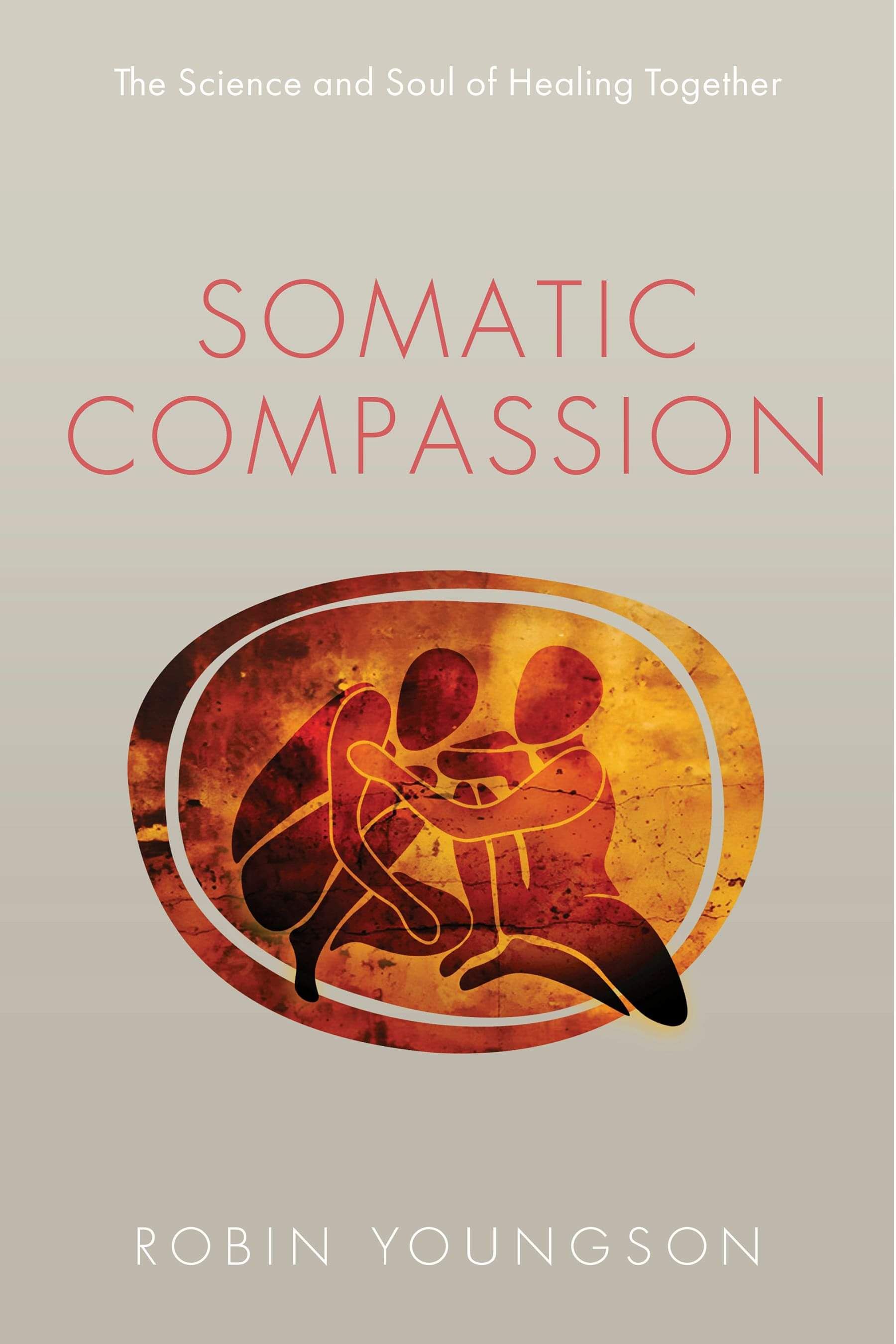
Book - coming soon!
Be among the first to explore the full story, science, and practice of Somatic Compassion.
Pre-order online now and have your copy delivered hot off the press when it's released in January 2026.

6 Norrie Avenue, Raglan 3225, New Zealand
Phone: +64 21 660 344
If you'd like to partner with us in spreading the word about somatic compassion, or developing the methods, please get in touch