Our Philosophy
Somatic compassion embodies a philosophy regarding our approach to mental health. It’s a move away from individualism towards human connection and community; it removes healing practices from the economic system, thereby making them available to all; and it takes back our healing power from the control of health professionals.
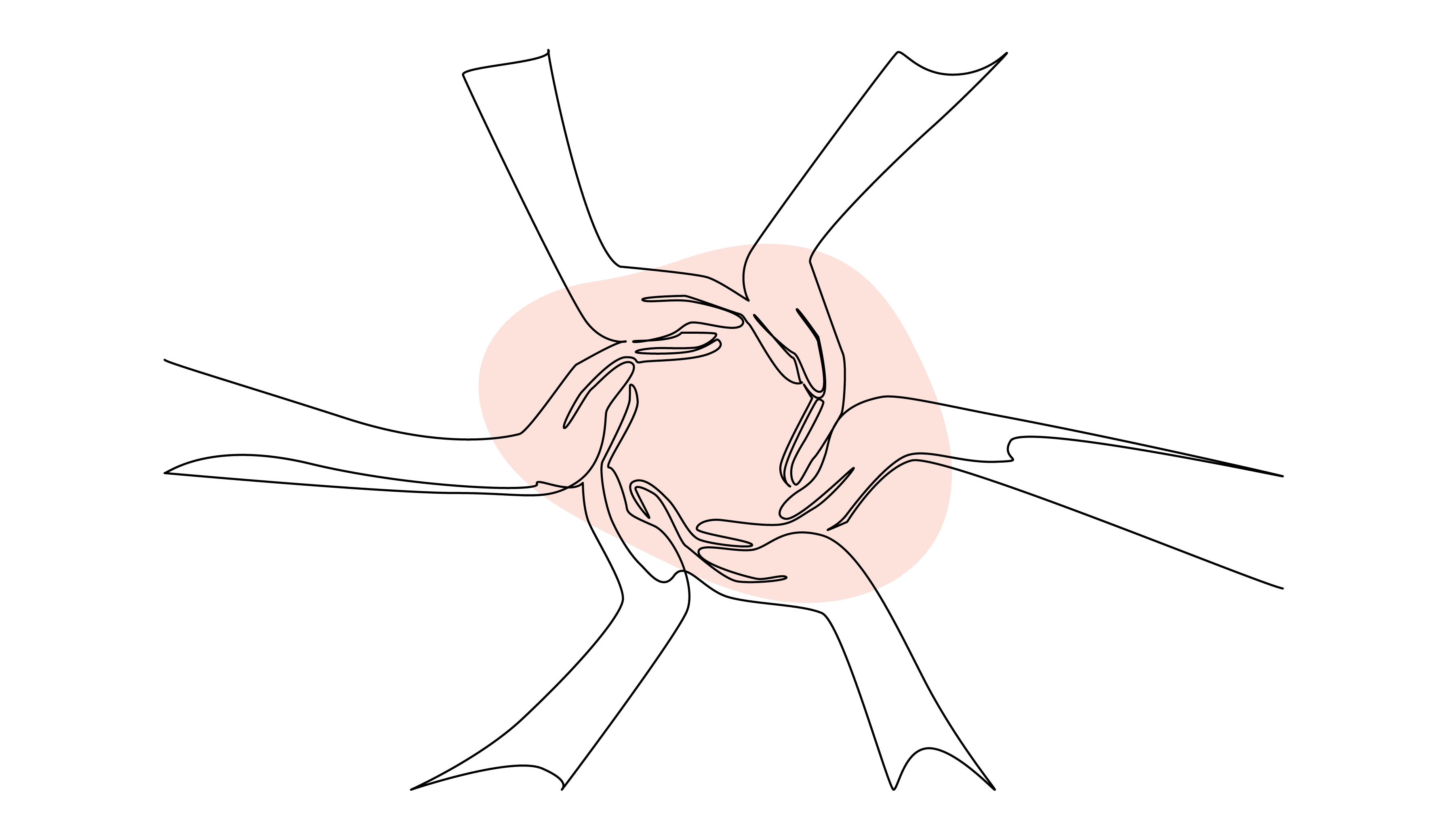
At its heart, somatic compassion is about reclaiming healing as a shared human experience.
Why Somatic Compassion offers a different path to healing
Somatic Compassion | Mainstream Mental Health | |||||
|---|---|---|---|---|---|---|
| ||||||
Integrates the body and mind, recognising the importance of somatic experiences, emotions, and nervous system regulation in healing. | Relies heavily on talk-based and cognitive-behavioral therapies, which prioritize changing thoughts and behaviours. | |||||
| ||||||
Supports the individual’s innate ability to heal, emphasising self-empowerment and natural recovery processes. | Relies on external interventions, such as medications or structured therapies, to manage symptoms. | |||||
| ||||||
Relies on external interventions, such as medications or structured therapies, to manage symptoms. | Avoids physical contact, often due to clinical boundaries and fear of liability. | |||||
| ||||||
Seeks to uncover and address root causes of suffering, focusing on holistic and lasting transformation | Aims to suppress or manage symptoms to restore functionality. | |||||
| ||||||
Avoids labels, offering validation and understanding of individual experiences without judgment or categorisation. | Frames mental health struggles within diagnostic categories, often leading to stigma and self-identification with a label. | |||||
| ||||||
Encourages volunteers to act as equals, in service to others, fostering a sense of mutual respect and collaboration. | Positions professionals as authorities with power over the treatment process. | |||||
| ||||||
Values lived experience as equally important to professional knowledge, encouraging peer-led support and shared wisdom. | Prioritises knowledge from experts and academics, often disregarding personal insights. | |||||
| ||||||
Built on voluntary contributions and acts of giving, ensuring inclusivity and removing financial barriers. | Operates as a professional service, with treatment tied to fees and access determined by financial resources. | |||||
| ||||||
Openly shares knowledge, tools, and practices to empower communities and foster collective learning. | Proprietary methods and tools are closely guarded, often limiting access and innovation. | |||||
| ||||||
Rooted in communities, offering accessible, informal, and integrated support within everyday environments. | Centres treatment in clinical or institutional settings, often disconnected from real-life contexts. | |||||
| ||||||
Cultivates a sense of abundance through mutual aid, shared resources, and community resilience | Operates from a perspective of limited resources, creating competition for access. |
Healing through connection
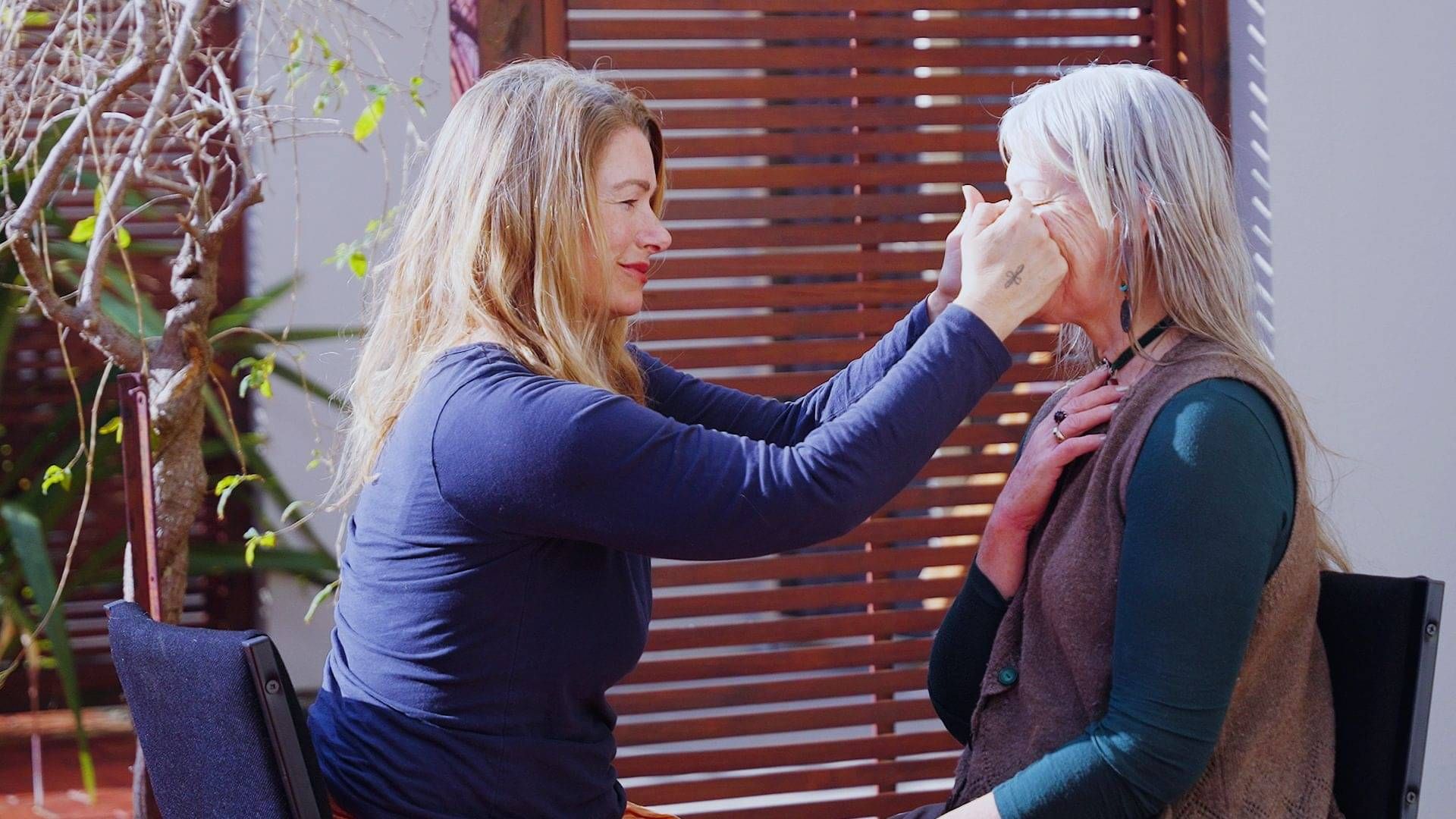
A vast body of research shows that social isolation and loneliness have major harmful impacts on both our mental and physical health, increasing the risk for hospital admission and shortening our lifespan.
Conversely, close supportive relationships enhance health and wellbeing, of which the most powerful are those enabled with compassion and touch.
We heal together, not alone. Compassion and touch reconnect us to what makes us human.
A different approach to mental health
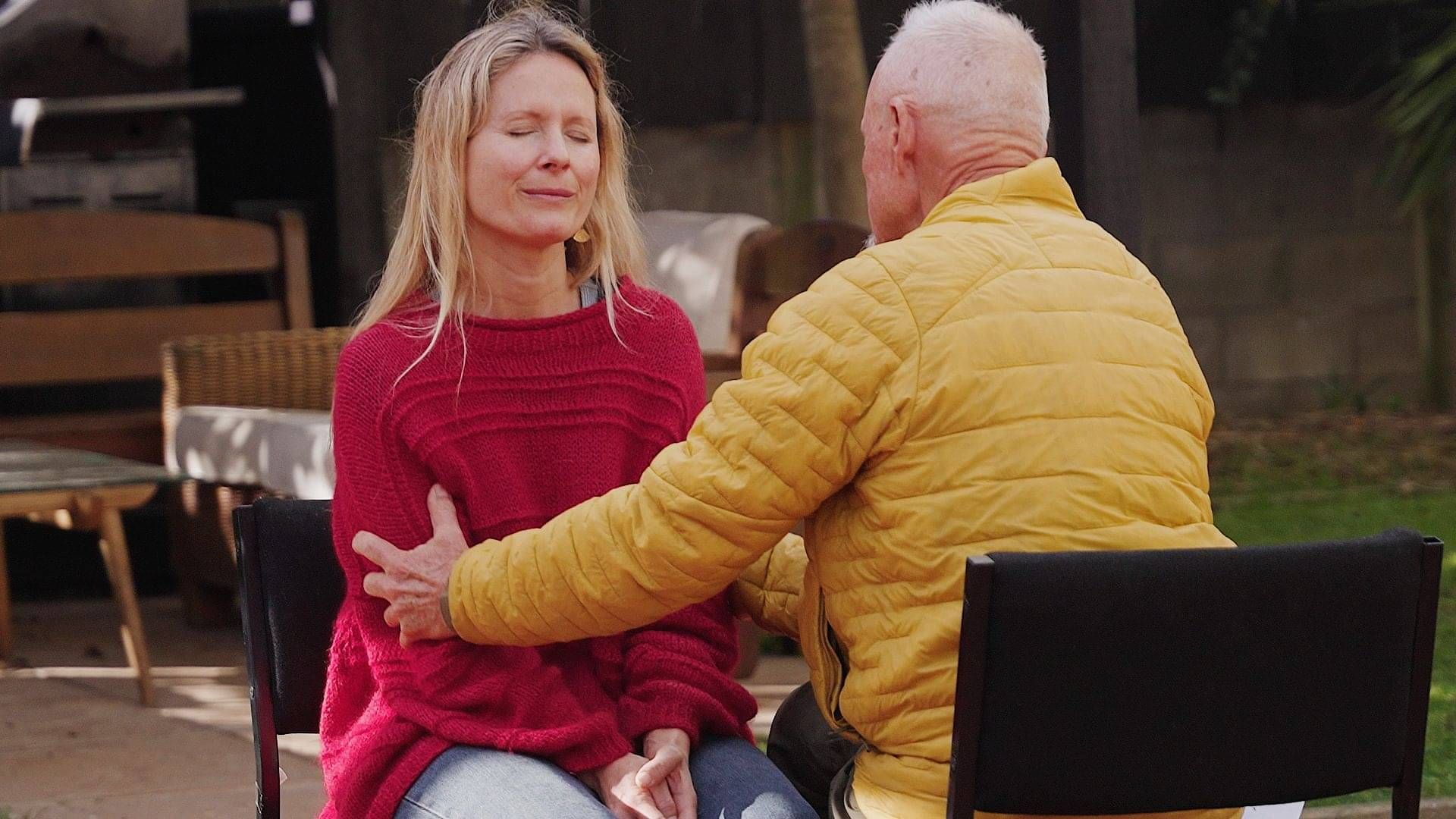
The philosophy and practice of somatic compassion therefore contrasts with mainstream approaches to mental health.
Somatic compassion embodies a number of methods to address hurtful life events, to lessen the burden of painful feelings, to strengthen core beliefs, and to build personal resilience.
These methods can be learned in a few hours and freely shared.
Explore our free methods and discover how you can bring compassion and healing into your community.
6 Norrie Avenue, Raglan 3225, New Zealand
Phone: +64 21 660 344
If you'd like to partner with us in spreading the word about somatic compassion, or developing the methods, please get in touch